
Is Generative AI a Threat to the Creative Process?

By Wren Snyder
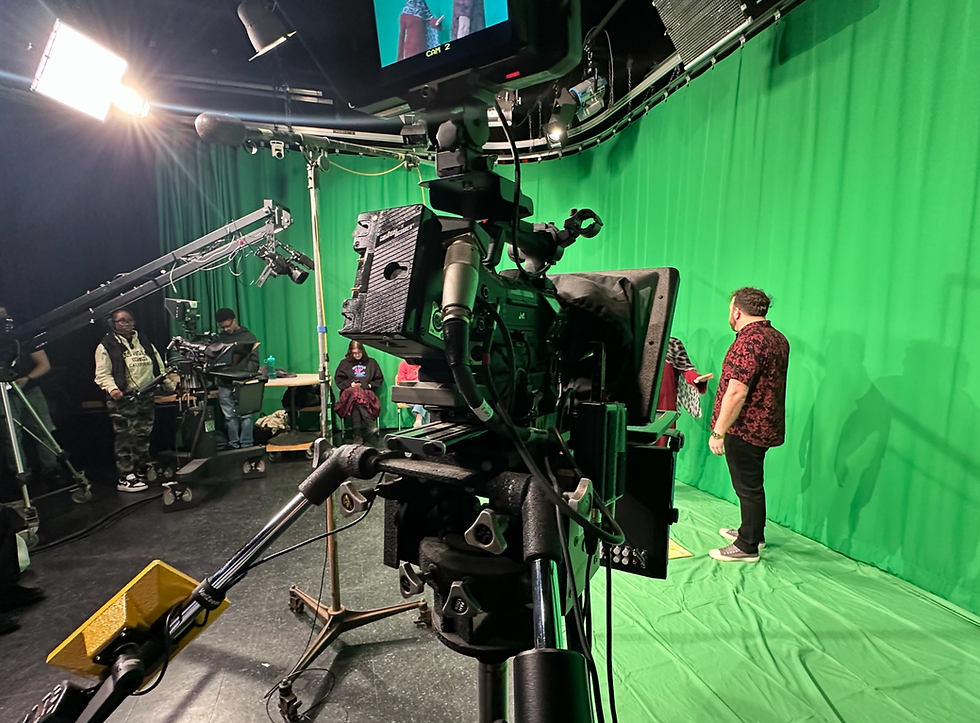
As I approach my senior year in the Journalism and Media Production department at U-M Dearborn, I have been very disappointed to hear members associated with the University ask about the lack of usage of artificial intelligence in my films. I understand and recognize the strong wave of support for what AI is capable of doing, but I don’t believe it has a place in the field of humanities as a substitution for human creativity.
Discussions specifically focusing on how this new technology can benefit students has been rapidly increasing, for better or for worse. What is critical is that students must understand the ethical and responsible weight of using such a tool, and not letting it replace any cognitive functions. My fear is that the line has become blurred for what utilizations are being considered socially acceptable.
Electronic usage in artistic spaces has long been debated, even the digital camera initially being seen as a less authentic tool compared to more convoluted film cameras. However, over the last few decades, we’ve seen a shift toward embracing more digital art forms. Animations, video game development, datamoshing and other impressive digital forms of artistic expression have used technological advancement to their advantage as they arrived. I believe that AI has these same capabilities, but only to be used as a tool by these creatives.
It should not replace the creative process, but become an accessible resource to those who wish to apply it in different formats. For example, a new tool in Adobe Premiere Pro 2026 that has aided thousands of artists is an AI powered speech-to-text transcription tool. This has saved interns like myself hundreds of hours of transcribing audio, but the results are not always accurate. This example of efficiency over accuracy is present in all forms of current generative AI and still requires a specific amount of personal and professional experience to work alongside it.
I have been extremely thankful to be gaining this same personal and professional experience within my department, working directly with award-winning journalists, international filmmakers and professors with both academic creative research and industry experience. Without their knowledge and guidance, I would not be confident in my filmmaking abilities. It is with this confidence that I can proudly say that I do not need to use AI to generate films, nor would I necessarily want to. All of the resources, support and mentors that have curated my creative skills are all invaluable assets that artificially generated deliverables could never truly represent.


Comments